Renters Insurance Explained: What It Covers, What It Doesn’t, and Why You Need It
Your landlord’s policy doesn’t cover your stuff. Learn how renters insurance protects your belongings, liability, and temporary living costs—often for less than a streaming subscription.
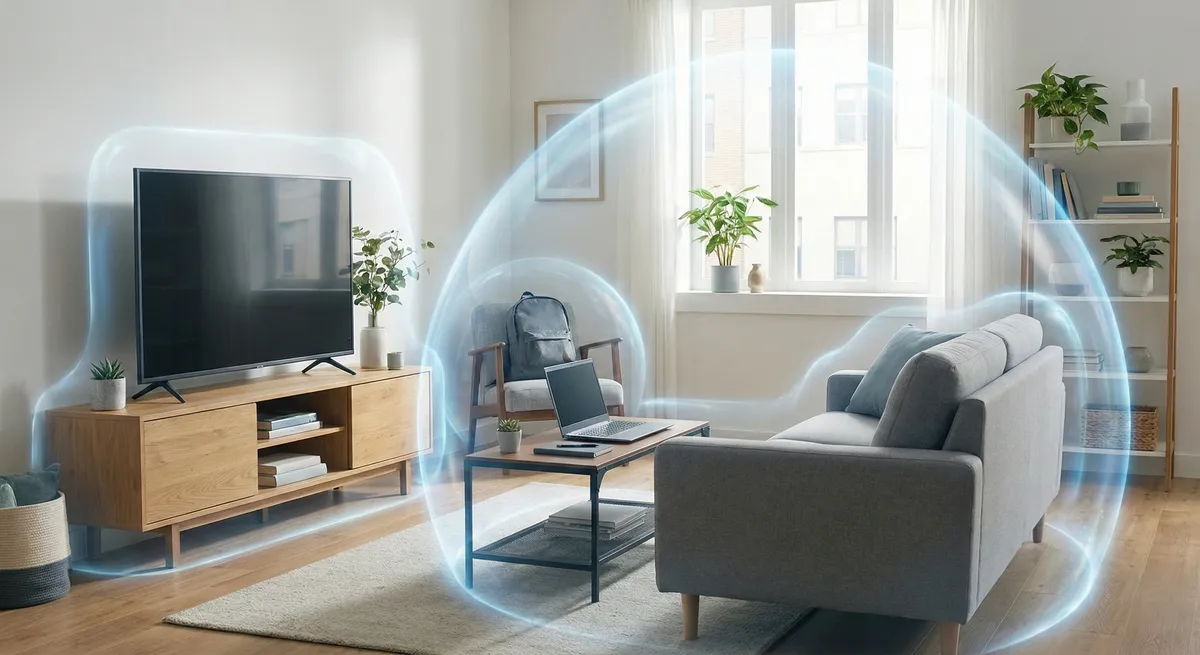
Renters insurance is one of the highest-value financial protections in personal finance. Yet millions of renters skip it because they assume their landlord’s insurance covers them. It doesn’t. A landlord’s policy covers the building—not your laptop, furniture, clothes, or liability. This guide explains what renters insurance covers, common exclusions, and how to choose limits that actually protect you.
The 3 Core Coverages in Renters Insurance
1) Personal Property (Your Stuff)
This covers your belongings—electronics, furniture, clothes, kitchen items, bikes, and more—after covered events like fire, theft, smoke damage, vandalism, and certain types of water damage (policy-dependent).
Many policies pay either Actual Cash Value (ACV) (depreciated value) or Replacement Cost (what it costs to buy the item new today). Replacement cost coverage is usually worth it.
2) Liability (When Someone Gets Hurt or You Cause Damage)
Liability helps if you accidentally damage someone else’s property or if someone gets hurt and claims you were responsible. Think: a guest slips in your apartment, your dog bites someone, or you accidentally cause a kitchen fire that damages another unit. This coverage can pay for legal defense too—often the most expensive part of a claim.
3) Loss of Use (Additional Living Expenses)
If your unit becomes unlivable due to a covered loss, loss-of-use coverage can help pay for temporary housing, meals above your normal budget, and other necessary expenses while repairs happen.
What Renters Insurance Usually Does NOT Cover
- Flood: Rising water is typically excluded unless you have separate flood coverage.
- Earthquake: Usually excluded; can require an add-on or separate policy.
- Roommate’s belongings: Unless they’re listed or have their own policy.
- High-value items beyond limits: Jewelry, cameras, collectibles often have category caps unless scheduled.
- Intentional damage: Not covered.
How Much Coverage Do You Really Need?
Personal Property Limit
Walk through your apartment mentally: bedroom, kitchen, living room, closet, electronics. Many renters underestimate their property value because it’s spread out across small items. A realistic range is often $20,000–$50,000 for many apartments, but it depends on your lifestyle.
Liability Limit
Liability is where renters insurance quietly protects your future income and savings. A common starting point is $100,000, but many renters choose $300,000 or more for stronger protection.
Deductible
A higher deductible usually lowers premiums, but choose a deductible you could pay today if needed.
Is Renters Insurance Worth It?
If you have anything you would struggle to replace—laptop, phone, furniture—or if you want protection from liability, renters insurance is often a no-brainer. It’s typically one of the cheapest, most powerful “financial seatbelts” you can buy.
Quick Checklist
- Choose replacement cost coverage for personal property if available.
- Pick a liability limit that protects savings and future income.
- Schedule high-value items if you own jewelry/cameras/collectibles.
- Confirm whether roommates are covered (usually they are not).