Mastering the Personal Loan Approval Process: The 5 C's of Credit
Don't just apply blindly. Learn the exact criteria lenders use to evaluate you—from DTI ratios to the '5 C's of Credit'—and how to prepare a bulletproof application.

Applying for a personal loan can feel like a black box exam: you submit your sensitive data, and a computer spits out a decision. However, the process is actually based on a highly structured risk assessment model known in the banking world as the "5 C's of Credit." Understanding these factors puts the power back in your hands and drastically increases your chances of approval.
Character (Credit History)
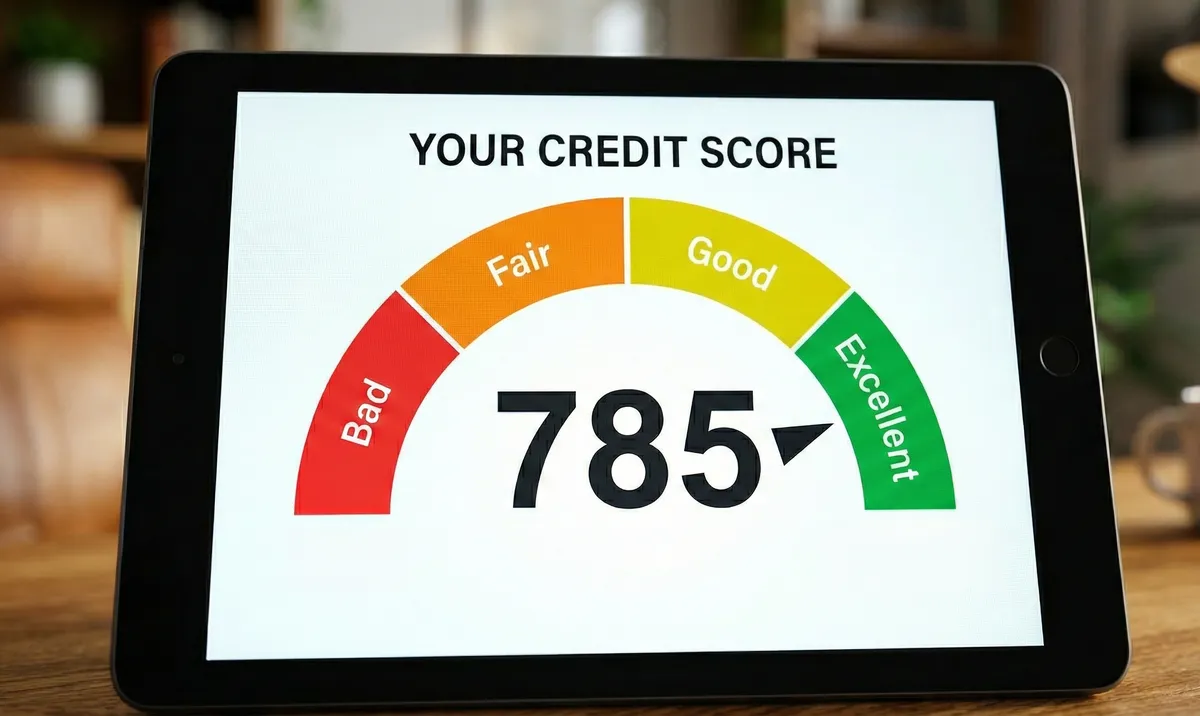
Lenders look at your past to predict your future. This is primarily represented by your FICO® score and credit report. They aren't just looking at the number; they are looking for patterns of behavior.
- Payment History (35% impact): Have you missed payments? A single missed payment 4 years ago is less damaging than a missed payment last month.
- Credit Utilization: Are you maxing out your cards? Lenders prefer to see utilization below 30% across all revolving accounts.
Pro Tip: Before applying, request your free credit report under the Fair Credit Reporting Act (FCRA) to ensure there are no errors dragging your score down.
Capacity (Debt-to-Income Ratio)
This is purely mathematical. Can you afford the monthly payments? Lenders calculate your Debt-to-Income (DTI) ratio to measure this.
- The Formula: (Total Monthly Debt Payments / Gross Monthly Income) x 100
- Most lenders prefer a DTI below 36%, though some will go up to 43%.
- If your DTI is too high, you may be approved but with a significantly higher interest rate to offset the risk.
Before applying, try to pay off small balances to lower this ratio.
Capital (Cash Reserves)
While personal loans are often unsecured (meaning no collateral), lenders like to see that you have savings. If you lose your job, do you have an emergency fund to keep making payments?
Possessing "reserves" can sometimes tip a borderline application into the "approved" pile.
Conditions (Loan Purpose & Economy)
Why do you need the money? Debt consolidation and home improvement are viewed favorably because they improve your financial standing or asset value.
Speculative investments or undefined "cash needs" are viewed with higher skepticism by underwriters.
Collateral (Secured vs. Unsecured)
Most personal loans are unsecured. However, if you have poor credit, offering collateral (like a savings account or vehicle) for a "Secured Personal Loan" can drastically increase approval odds and lower your rate.
Just be aware: if you default, you lose the asset.
Checklist Before You Click "Apply"
- Check your credit report for errors 30 days in advance.
- Calculate your DTI—if it's over 40%, try to pay down small debts first.
- Gather W-2s, pay stubs, and bank statements to prove income stability.
- Avoid applying for new credit cards in the weeks leading up to your loan application to avoid "hard inquiry" clusters.
Disclaimer: This guide is for educational purposes only and does not constitute financial advice. LendNavigator does not guarantee loan approval.