How to Lower Home Insurance Costs: Discounts, Deductibles, and Smart Risk Moves
Home insurance premiums are rising nationwide. Learn the real levers that reduce cost—bundling, home hardening, claims strategy, and choosing deductibles without risking your emergency fund.

Home insurance prices have been climbing, and many homeowners feel stuck. But premiums are not random—insurers price risk based on property characteristics, local hazards, claim history, and coverage choices. The best savings strategies reduce cost while keeping you protected, not by stripping coverage to dangerous levels.
1) Use the Right Deductible Strategy
Raising your deductible can lower premiums, but it changes what you pay in a loss. The best deductible is one you can pay without financial stress.
- $1,000–$2,500 deductibles often unlock meaningful savings.
- A “cheap” policy becomes expensive if you can’t afford the deductible after a storm.
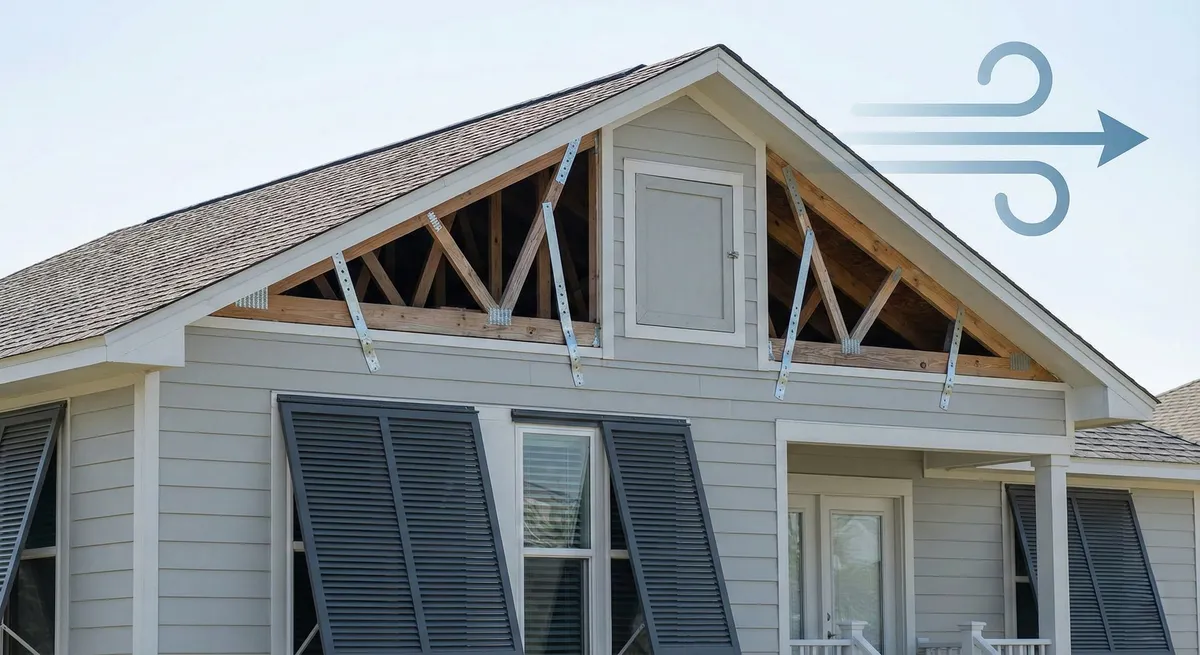
2) Hardening Your Home Can Lower Risk (and Sometimes Premium)
Many insurers reward improvements that reduce loss severity:
- Roof upgrades: impact-resistant shingles, newer roof age, verified wind mitigation.
- Water protection: smart leak sensors, auto shutoff valves, updated plumbing.
- Security: monitored alarm systems, deadbolts, cameras.
- Fire protection: defensible space, smoke alarms, updated electrical systems.
3) Bundle Strategically (But Compare Total Cost)
Bundling home + auto often reduces total premium. However, the cheapest bundle isn’t always the best value. Compare the total cost across insurers, not just the home portion.
4) Review Coverage Limits and Endorsements Carefully
You can lower premiums by reducing coverage, but do it intelligently:
- Don’t underinsure dwelling: being short on rebuild cost is catastrophic.
- Adjust personal property: if your belongings are modest, you may not need high limits.
- Check optional endorsements: remove only what you truly don’t need.
5) Claims Strategy: When to File and When Not To
Frequent small claims can raise rates and make it harder to switch insurers. For minor issues near your deductible, paying out-of-pocket may be smarter long-term. Save claims for events that truly change your finances.
6) Shop Your Policy Like a Pro
- Re-shop quotes at renewal time, especially after large increases.
- Use identical limits/deductibles when comparing quotes.
- Ask about: new roof credits, wind mitigation, claims-free discounts, loyalty, paid-in-full, paperless.
7) Consider an Umbrella Policy for Better Liability Value
If you need higher liability protection, an umbrella policy can provide large limits at a relatively efficient cost, as long as your underlying home/auto liability limits meet requirements.
Quick Checklist for Lower Premiums
- Choose a deductible you can pay today.
- Verify roof age and mitigation credits.
- Add water-leak protection if rewarded by your insurer.
- Bundle only if the total cost is competitive.
- Re-shop at renewal with identical coverage terms.