The Hidden Mathematics: Depreciation, LTV, and Gap Insurance
A car is a depreciating asset, not an investment. Understand why 'zero down' deals can leave you underwater, and how Gap Insurance can save you from financial disaster.
Unlike a house, a car loses value the moment you drive it off the lot. Understanding depreciation and Loan-to-Value (LTV) ratios can save you from financial trouble down the road.
The Depreciation Cliff
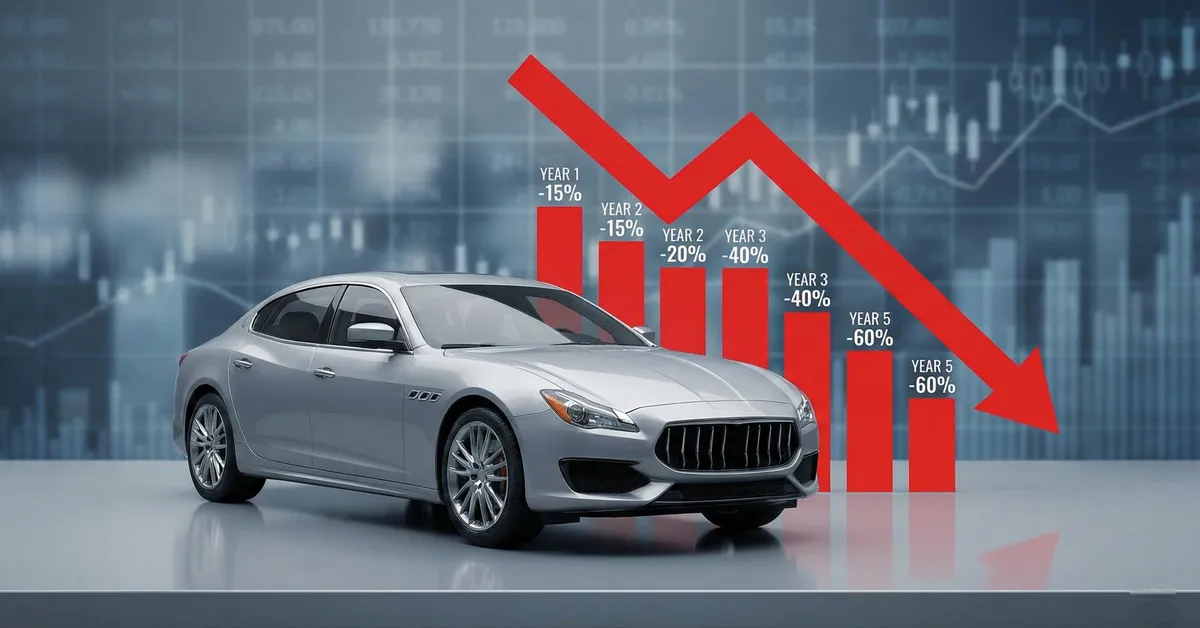
A new car loses approximately 20-30% of its value in the first year alone. By year five, most vehicles are worth only 40% of their original price.
This creates a dangerous situation when combined with financing:
- You buy a $30,000 car with $0 down
- After dealer fees and taxes, you finance $33,000
- One year later, the car is worth $24,000
- You still owe $30,000
You are now "underwater" — you owe more than the car is worth.
Understanding LTV (Loan-to-Value)
LTV measures how much you owe compared to the car's value:
- Car worth $20,000, loan balance $22,000 = 110% LTV
- Higher LTV = higher risk = higher interest rate
Lenders prefer LTV under 100%. If yours is higher, expect to pay more in interest.
Gap Insurance: Your Safety Net

Gap Insurance covers the difference between what you owe and what insurance pays if your car is totaled or stolen.
Example:
- You owe $25,000 on your loan
- Your car is totaled; insurance pays $19,000 (actual cash value)
- Without Gap: You still owe $6,000 on a car you can't drive
- With Gap: Insurance covers the $6,000 difference
Where to Buy Gap Insurance
Avoid the dealer! They charge $800-$1,000. Your auto insurer offers it as an add-on for $20-$40/year.
Disclaimer: This guide is for educational purposes only and does not constitute financial advice.