Federal vs. Private Loans: The Most Important Choice You'll Make
Borrowing for college? Stop. Before you sign anything, understand why Federal loans offer protections that private lenders simply cannot match—and when private loans might actually be necessary.

In the excitement of college acceptance letters, financing often feels like paperwork to "just get done." But the difference between a Federal Direct Loan and a Private Student Loan is not just about interest rates—it is about your legal rights for the next 10 to 25 years.
The Golden Rule: Always exhaust federal loan options before considering private loans.
Federal Student Loans: Your First Choice
Federal student loans are funded by the U.S. Department of Education and come with benefits that private lenders simply cannot match:
- Fixed interest rates set by Congress (not your credit score)
- No co-signer needed for most undergraduate borrowers
- Subsidized options where the government pays interest while you're in school
- Income-Driven Repayment (IDR) plans that cap payments at a percentage of income
- Loan forgiveness programs like PSLF for public service workers
Private Loans: The "Gap" Filler
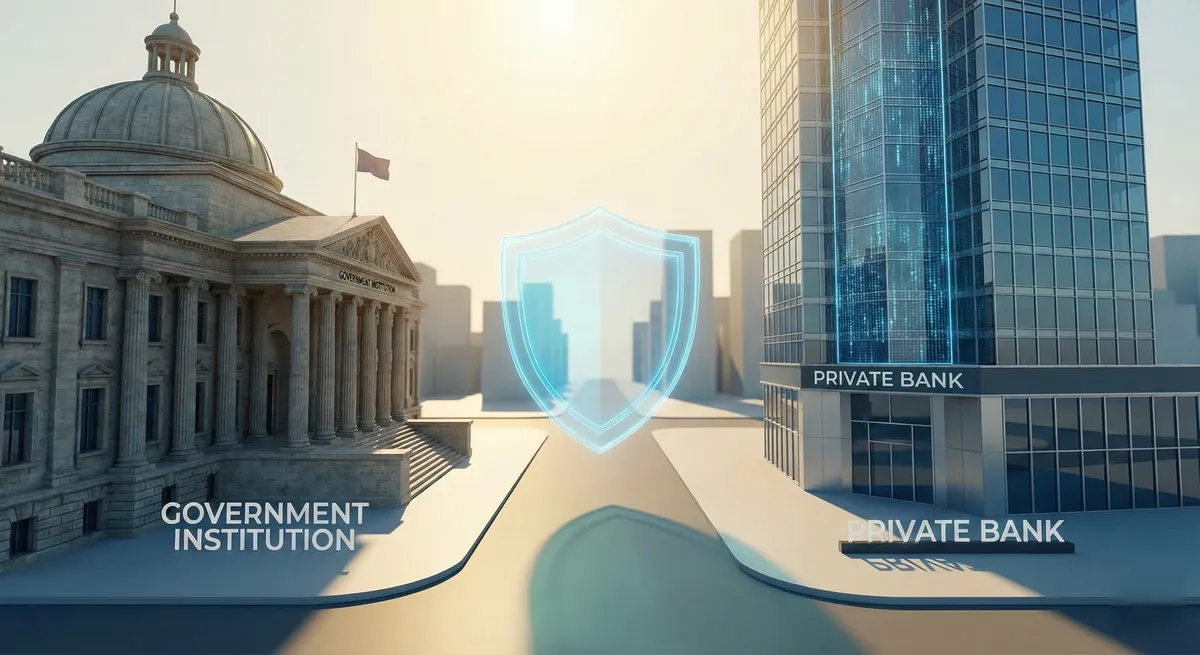
Private student loans operate like credit-based consumer loans. Approval depends on your credit score and income (or a co-signer's).
When to consider private loans:
- You've maxed out federal loan limits
- You've exhausted scholarships and grants
- You have a specific short-term funding gap
Warning: Private loans typically lack IDR options and are NOT eligible for federal forgiveness programs like PSLF.
The "Co-Signer" Trap
Most private lenders require a co-signer for students without established credit. Here's what many families don't realize:
- The co-signer is 100% legally responsible for the debt
- Missed payments damage the co-signer's credit score
- "Co-signer release" after 24-48 on-time payments is often difficult to obtain
- If the borrower dies or becomes disabled, some lenders demand immediate full repayment from the co-signer
Federal vs. Private: Comparison Table
| Feature | Federal Loans | Private Loans |
|---|---|---|
| Interest Rate | Fixed by Congress | Credit-based (varies) |
| Co-signer Required | Often not required | Usually required |
| Subsidized Option | Yes (need-based) | No |
| Income-Driven Repayment | Yes | Rare/No |
| PSLF Eligible | Yes | No |
| Hardship Protections | Strong (by law) | Limited |
Regulatory Protections
Federal loans include deferment and forbearance options mandated by law. During economic crises (like COVID-19), the government can pause payments and interest accrual.
Private lenders may offer hardship options, but these are typically weaker, shorter, and entirely at the lender's discretion.
Disclaimer: This guide is for educational purposes only and does not constitute financial advice.