The Math of Debt Consolidation: When It Makes Sense (And When It Doesn't)
Consolidating high-interest credit card debt into a single personal loan is a popular strategy, but it's not a magic wand. We break down the math, the fees, and the behavioral changes needed to succeed.
The concept is appealing: trade five different credit card payments with 24% interest rates for one single personal loan payment at 12%. On paper, it looks like a guaranteed win. However, successful debt consolidation requires strict mathematical verification and behavioral discipline.
The "Spread" Strategy
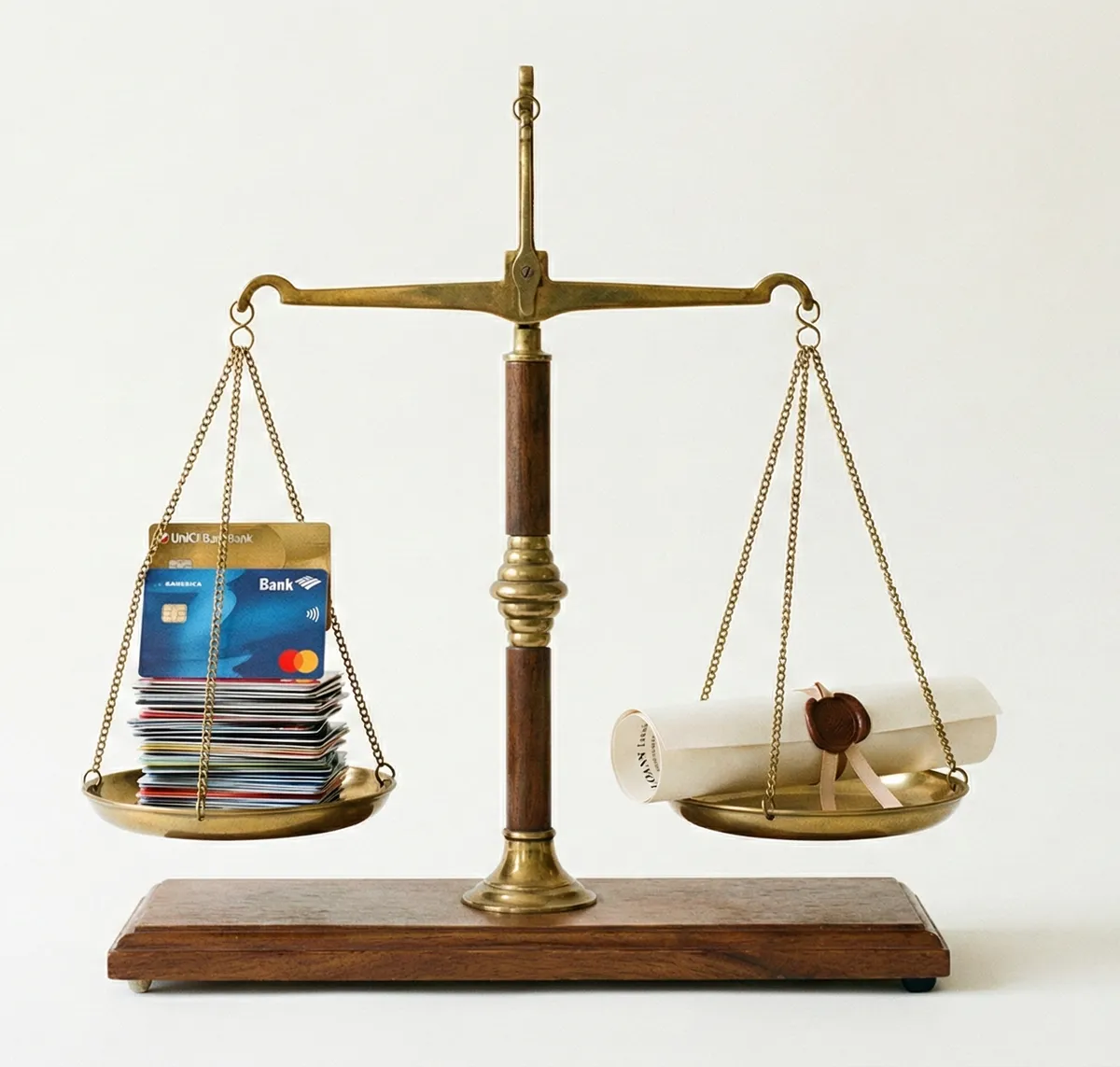
The primary reason to consolidate is the interest rate spread. You need the new loan's APR (Annual Percentage Rate) to be significantly lower than the weighted average APR of your existing debts.
Example Scenario
- Current Debt: $15,000 on Credit Cards @ 22% APR
- Proposed Loan: $15,000 Personal Loan @ 10% APR for 3 years
In this scenario, the savings are massive. However, you must watch out for the Origination Fee. Many personal loan lenders charge 1% to 8% upfront.
If your origination fee is 8%, you are essentially adding $1,200 to your debt instantly. Does the lower interest rate justify that upfront cost? Usually yes, but you must run the numbers first.
The Trap: Extending the Term
A common mistake is focusing only on the monthly payment. If you lower your monthly payment by extending the term from 2 years to 7 years, you might end up paying more total interest, even with a lower rate.
Golden Rule: Aim for a loan term that is equal to or shorter than the time it would take you to pay off your current cards at your current payment level.
The Psychological Risk (Reloading)
Statistics show that a significant percentage of people who consolidate debt run their credit card balances back up within two years. This is called "reloading."
When you use a personal loan to pay off your credit cards, those cards now have a $0 balance. They look tempting.
Warning: If you haven't fixed the spending habits that caused the debt, you will end up with both the personal loan payment AND new credit card debt. This is a fast track to bankruptcy.
Summary: Proceed If...
- The new APR is at least 5-6 points lower than your credit cards.
- You have a plan to stop using the paid-off credit cards.
- The origination fee doesn't eat up your interest savings.
- You can comfortably afford the fixed monthly payment.
Disclaimer: This guide is for educational purposes only and does not constitute financial advice.