Cash-Out Refinance: Pros, Cons, and Risks
Need cash for home improvements or debt consolidation? A cash-out refinance lets you tap into your home's equity, but treating your home like a piggy bank comes with risks you need to understand.

Your home is likely your biggest savings account. A "Cash-Out Refinance" allows you to withdraw some of that savings by taking out a new mortgage that is larger than your current balance. You pocket the difference in cash.
How It Works
Imagine your home is worth $400,000 and you owe $200,000. You have $200,000 in equity. You get a new loan for $250,000. The first $200,000 pays off your old loan. The remaining $50,000 is given to you in cash (minus closing costs). You now have a mortgage of $250,000 and a check for the difference.
Smart Uses for Cash-Out
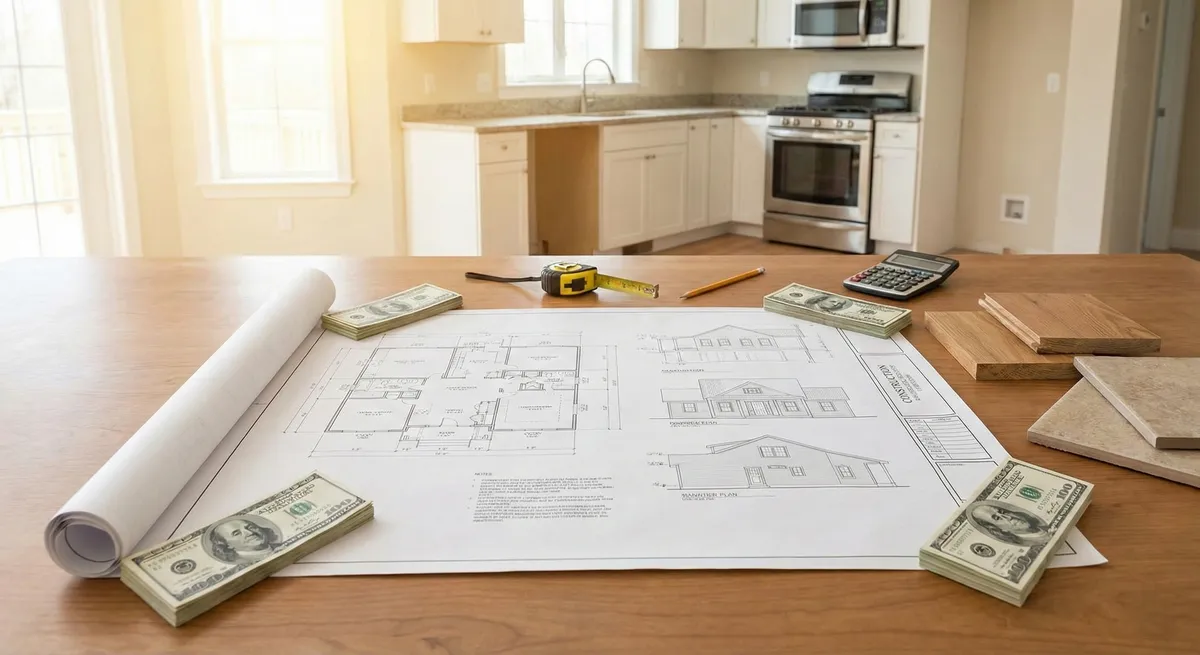
Home Improvements:
Reinvesting the money into the home (kitchen remodel, new roof) can increase the property's value, making the debt "good debt."
High-Interest Debt Consolidation:
Paying off credit cards with 24% APR using a mortgage with 7% APR can save massive amounts of interest.
The Risks: Treat with Caution
Foreclosure Risk:
You are converting unsecured debt (credit cards) into secured debt (your home). If you can't make the new mortgage payment, you don't just damage your credit score—you lose your house.
Resetting the Clock:
If you have been paying your 30-year mortgage for 10 years, starting over with a new 30-year loan means you are extending your debt timeline significantly.
Closing Costs:
Unlike a Home Equity Line of Credit (HELOC), a cash-out refinance requires full closing costs (appraisal, title, origination), often 2-5% of the total loan amount.